

Freedom and privacy have always sat at the heart of Bitcoin’s promise, but the world around it is changing fast. Regulation, enforcement actions, and expanding surveillance capabilities are reshaping how people approach privacy technologies.
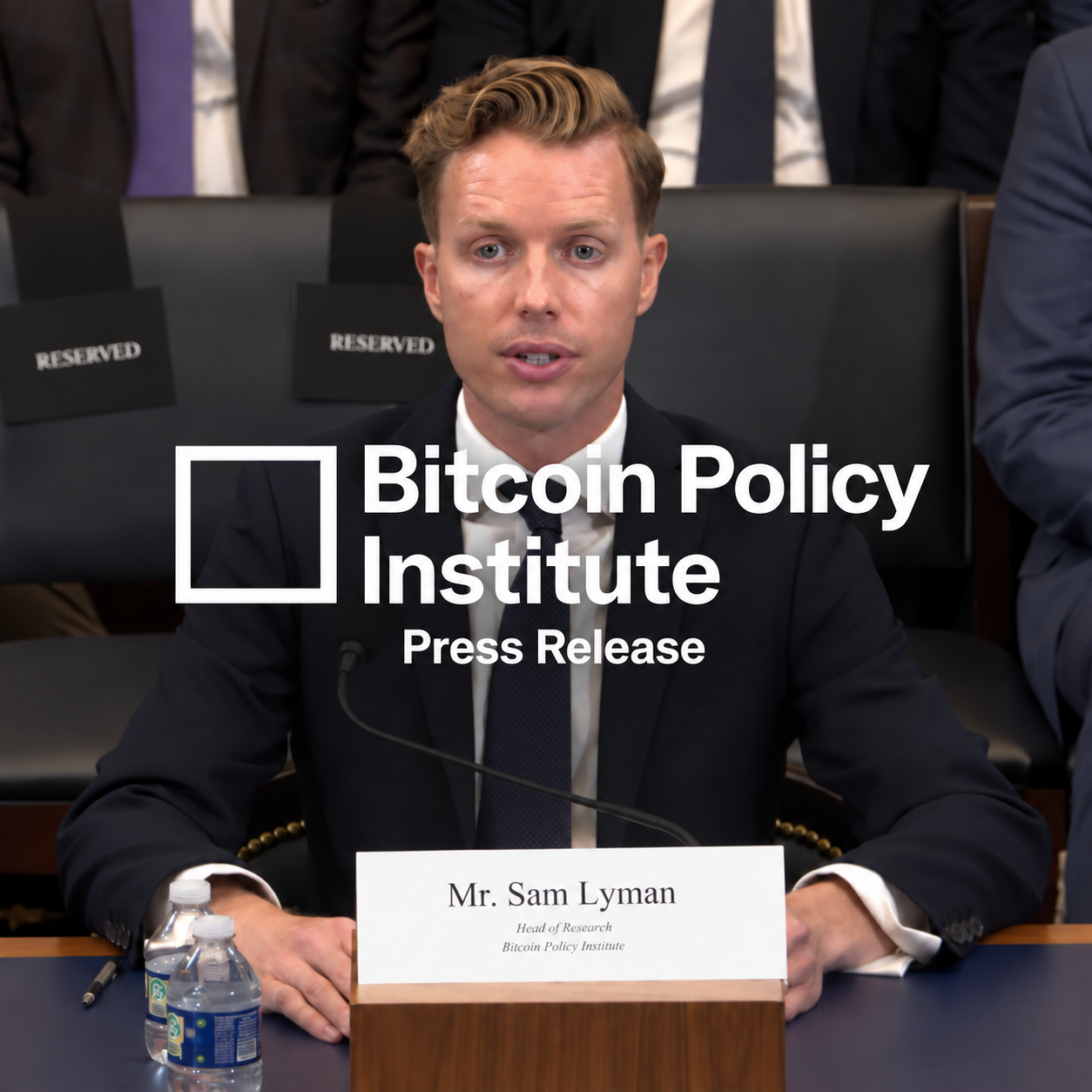
To better understand the attitudes toward privacy technologies from both users and producers, Fedi is partnering with Cornell University’s Brooks School of Public Policy and the Bitcoin Policy Institute (BPI) to field a two-year study examining this important topic.
“Debates about privacy often happen in the abstract and with little attention to the tradeoffs,” said Dr. Sarah Kreps, Director of the Tech Policy Institute at Cornell’s Brooks School of Public Policy. “This project brings empirical evidence to the conversation by examining how policy signals affect both public behavior and developer decisions, and how those dynamics interact over time.”
Study Takes Long-term Look at Privacy
This new two-year research project will examine user attitudes toward financial privacy and how these change over time as well as the regulatory climate facing developers building privacy technologies. It will combine nationally representative surveys with interviews of U.S.-based developers to better understand how policy, enforcement, and uncertainty shape both adoption and innovation. The first of four semi-annual reports will be released in April 2026 and extend through 2027.
“Privacy isn’t a nice-to-have feature — it’s foundational to freedom, resilience, and economic self-determination,” said Obi Nwosu, Co-founder and CEO of Fedi. “This research is about grounding the privacy debate in real data: how people actually think about privacy, how developers experience today’s policy environment, and what that means for the future of an open, free society.”
Unearthing Insights from the User and Creators of Privacy Technologies
The primary focus of the study will survey how Americans understand financial privacy, what trade-offs they are willing to make to preserve it, and how their familiarity with policy developments (e.g., KYC requirements and enforcement actions) shape trust, adoption, and behavior. Additionally, the research will explore, through in-depth interviews, the climate facing the developers who build privacy features for Bitcoin and related open-source systems.
“Clearer insight into how privacy expectations and policy pressures intersect is essential for building systems people can trust,” said Renee Sorchik, Vice President of Research at the Bitcoin Policy Institute. “This research helps move the conversation from assumptions to evidence.”
This collaboration reflects a core, shared belief among the report’s authors: privacy is not an abstract principle or a fringe preference. It is a practical requirement for economic agency, resilience, and freedom — especially for communities building their own financial systems. By contributing to rigorous, independent research, we hope to help policymakers, developers, and the public better understand the stakes and identify pathways that support both responsible compliance and meaningful privacy.
We look forward to sharing the first findings this coming April and continuing the conversation about what a privacy-respecting future for Bitcoin and other freedom technologies can — and should — look like.
Press Contact: media@fedi.xyz
BPI Press Contact: Matthew Boyer
mboyer@btcpolicy.org
Cell/Signal: +1 (202) 997-0046